Noise complaints are one of the most common issues in HMO (House in Multiple Occupation) properties — and one of the areas where landlords are most exposed to enforcement risk if they don't handle them correctly. Understanding your legal responsibilities isn't just good practice. In some cases, it's the difference between keeping your licence and losing it.
What the Law Says
In England and Wales, noise nuisance is primarily governed by the Environmental Protection Act 1990, which places the responsibility for investigating statutory nuisance on local councils. However, this doesn't mean landlords are off the hook.
Under HMO licensing conditions in England, landlords are required to take reasonable and practicable steps to prevent antisocial behaviour by tenants — and noise nuisance falls squarely within that definition. Licence conditions vary between local authorities, but most include an obligation to investigate complaints and take appropriate action where nuisance is identified.
Failure to do so can result in:
• A formal warning or improvement notice from the council
• Revocation or non-renewal of the HMO licence
• Civil penalties under the Housing and Planning Act 2016 up to £30,000 per offence
• Prosecution in more serious cases
The 'Reasonable Steps' Test
One of the most important phrases in housing law is 'reasonable and practicable steps.' This gives landlords some flexibility, but it also creates an obligation to demonstrate that they have actively investigated complaints, not simply acknowledged them and moved on.
What does that look like in practice? At minimum, most landlords should be:
• Logging all noise complaints in writing with dates and details
• Contacting the alleged offender and documenting that contact
• Following up with the complainant
• Escalating to the council if the issue persists
• Maintaining a clear evidence trail throughout
The difficulty particularly for HMO properties, is that noise disputes between tenants in the same building can be complex and contested. Without objective evidence, it can be very hard to determine whether a complaint is well-founded or whether an appropriate threshold has been crossed.
The Risk of Under-Responding
Many landlords, particularly smaller operators, take a light-touch approach to noise complaints hoping disputes resolve themselves or reluctant to become involved in what can feel like a neighbour dispute. This is understandable. But it carries real risk.
If a tenant escalates a complaint to the council and the council finds that the landlord failed to investigate appropriately, the landlord may be found in breach of their licence conditions regardless of whether the underlying noise would have met the statutory nuisance threshold.
Documentation of your process matters as much as the outcome.
How Professional Evidence Protects You
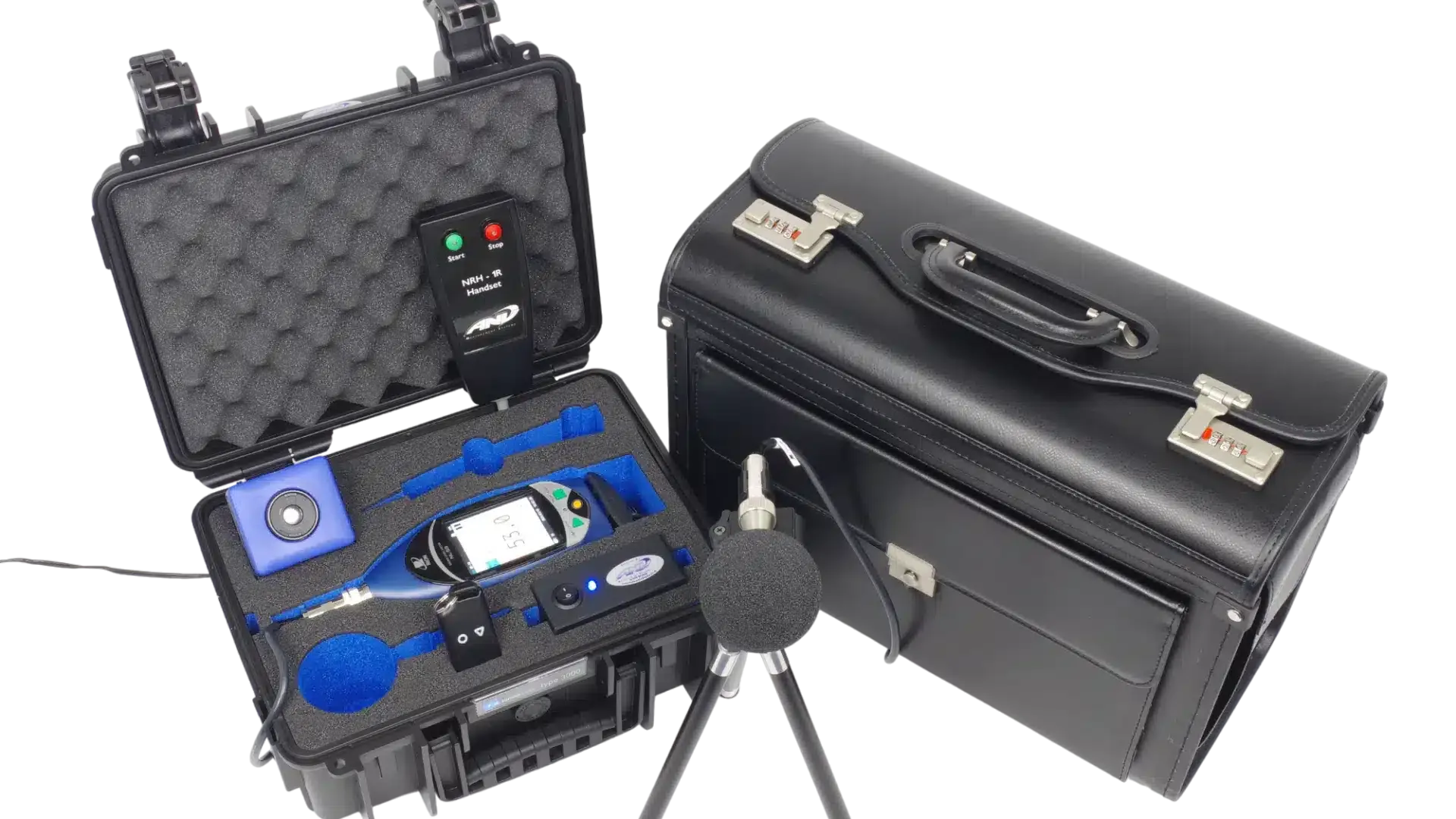
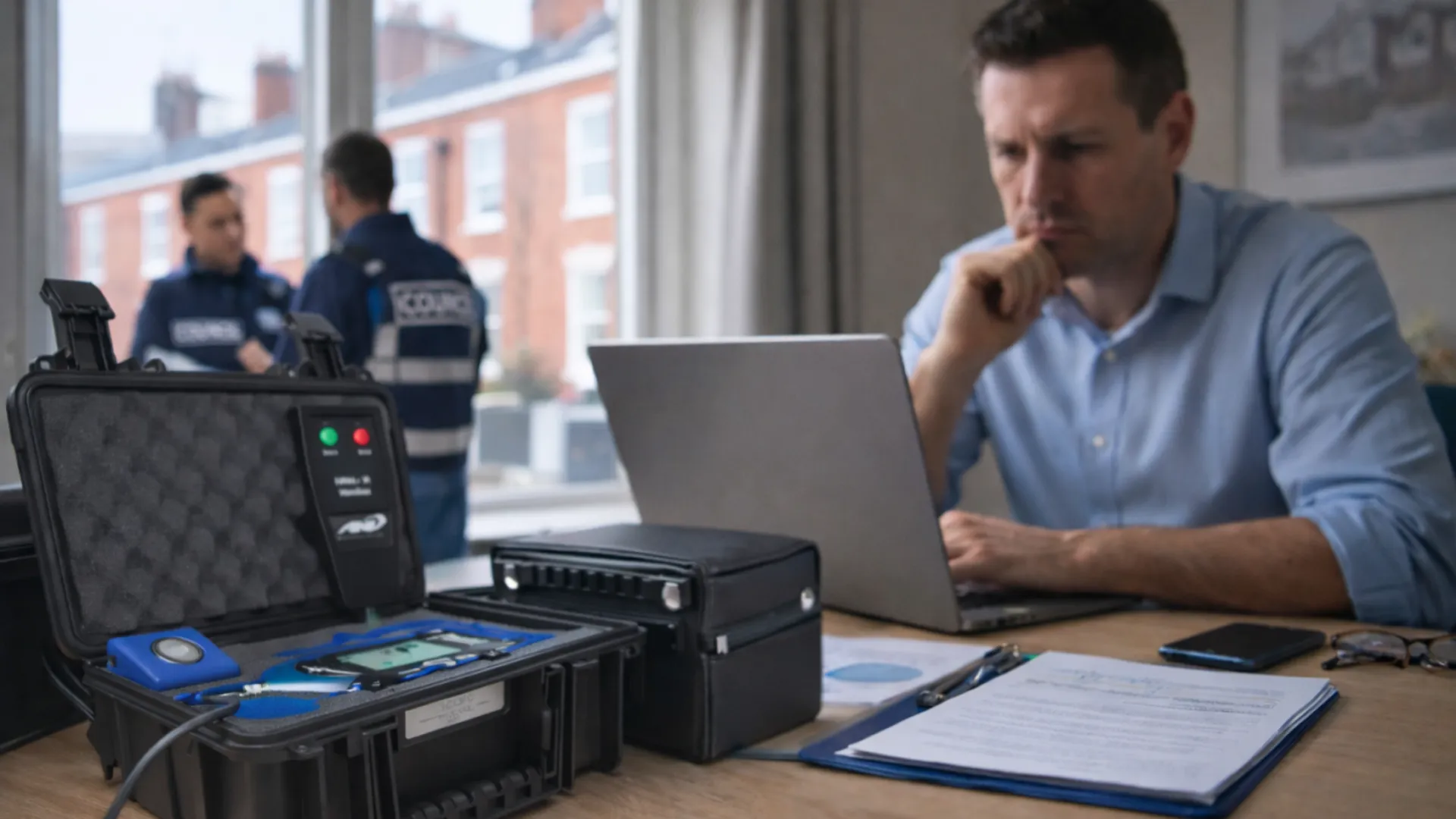
Neighbour Noise Control gives housing managers and HMO landlords a defensible, documented process for investigating noise complaints. The Noise Nuisance Recorder is deployed at the complainant's premises, capturing calibrated acoustic data over an extended period. Our specialists then produce a formal written report, benchmarked against recognised UK noise standards.
That report serves two purposes: it either substantiates the complaint and gives you grounds to act, or it demonstrates objectively that the noise doesn't meet the threshold for statutory nuisance protecting you from further pressure from either side.
Either way, you have evidence that you took the complaint seriously and investigated it properly. That's what the 'reasonable steps' test requires and what protects your licence.
Protect your licence and your tenants. Find out how Neighbour Noise Control supports HMO landlords at neighbournoisecontrol.com