How long does a noise complaint take to resolve in the UK, how does Neighbour Noise Control speed this up
If you've ever raised a noise complaint with a local council — or managed one on behalf of a tenant — you'll already know that 'quick resolution' isn't usually how these things go. But just how long does the process actually take, and what makes some cases drag on for months?
The Short Answer
In the UK, a noise complaint submitted to a local council Environmental Health department can take anywhere from a few weeks to well over a year to resolve — if it gets resolved at all. The variation is significant, and it depends heavily on the quality of evidence submitted, the council's workload, and the nature of the noise itself.
The Typical Timeline
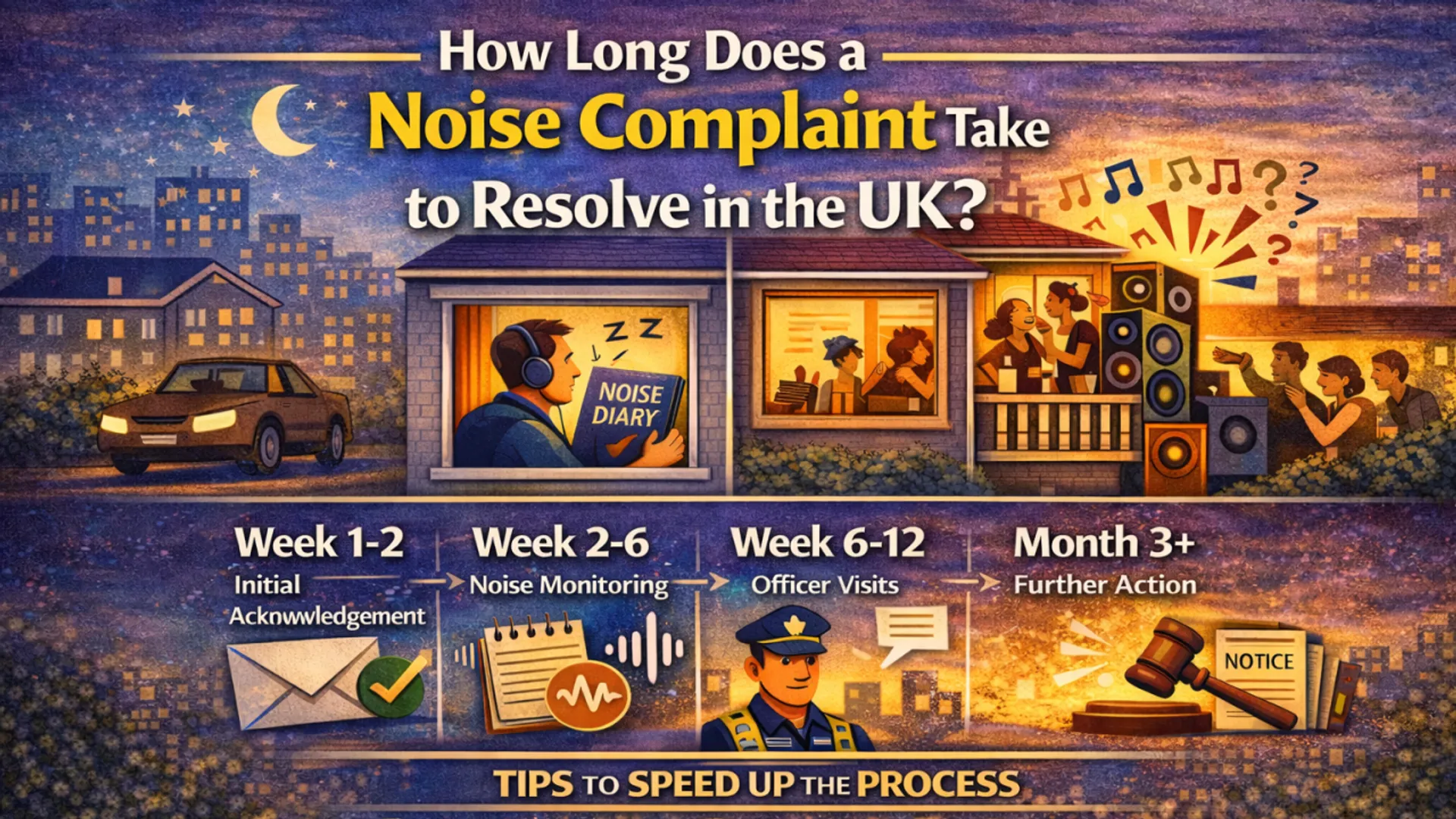
Week 1–2: Initial acknowledgement
Most councils will acknowledge a noise complaint within a few working days. Some will ask you to complete a detailed form. Others will refer the complainant to keep a noise diary before any action is taken.
Week 2–6: Investigation and diary period
If the case progresses, Environmental Health may ask the complainant to log incidents over a period of weeks. This stage can stretch considerably if the noise is intermittent, or if the tenant doesn't maintain the diary consistently.
Week 6–12: Officer visit and assessment
If the diary shows a pattern, an officer may visit — often unannounced. The challenge here is obvious: noise nuisance is rarely performing on cue. If the officer visits and hears nothing, the case can stall entirely.
Month 3 and beyond:
Further action or case closure If sufficient evidence is gathered, councils may issue a warning notice, an Abatement Notice under the Environmental Protection Act 1990, or in persistent cases, pursue further enforcement action. But many cases are closed before reaching this stage, often with a reason along the lines of 'insufficient evidence to take formal action.'
What Causes Delays?
- Inconsistent evidence — diary entries that are incomplete or vague
- Intermittent noise — hard to capture without continuous monitoring
- Council resource constraints — Environmental Health teams are under pressure across the UK Appeals and disputes — the alleged offender can challenge findings
- Ambiguity around thresholds — without objective measurement, it’s difficult to prove a noise nuisance.
What Speeds a Case Up?
The single biggest factor in how quickly a noise complaint gets resolved is the quality and objectivity of the evidence. Councils are far more likely to act — and act quickly — when they receive data rather than descriptions.
Specifically, cases supported by:
- Continuous acoustic recordings with decibel measurements
- Documented frequency and duration of incidents
- A professional report benchmarked against recognised noise standards
...move through the system faster and are far less likely to be dismissed on evidential grounds.
How Neighbour Noise Control Reduces Resolution Time
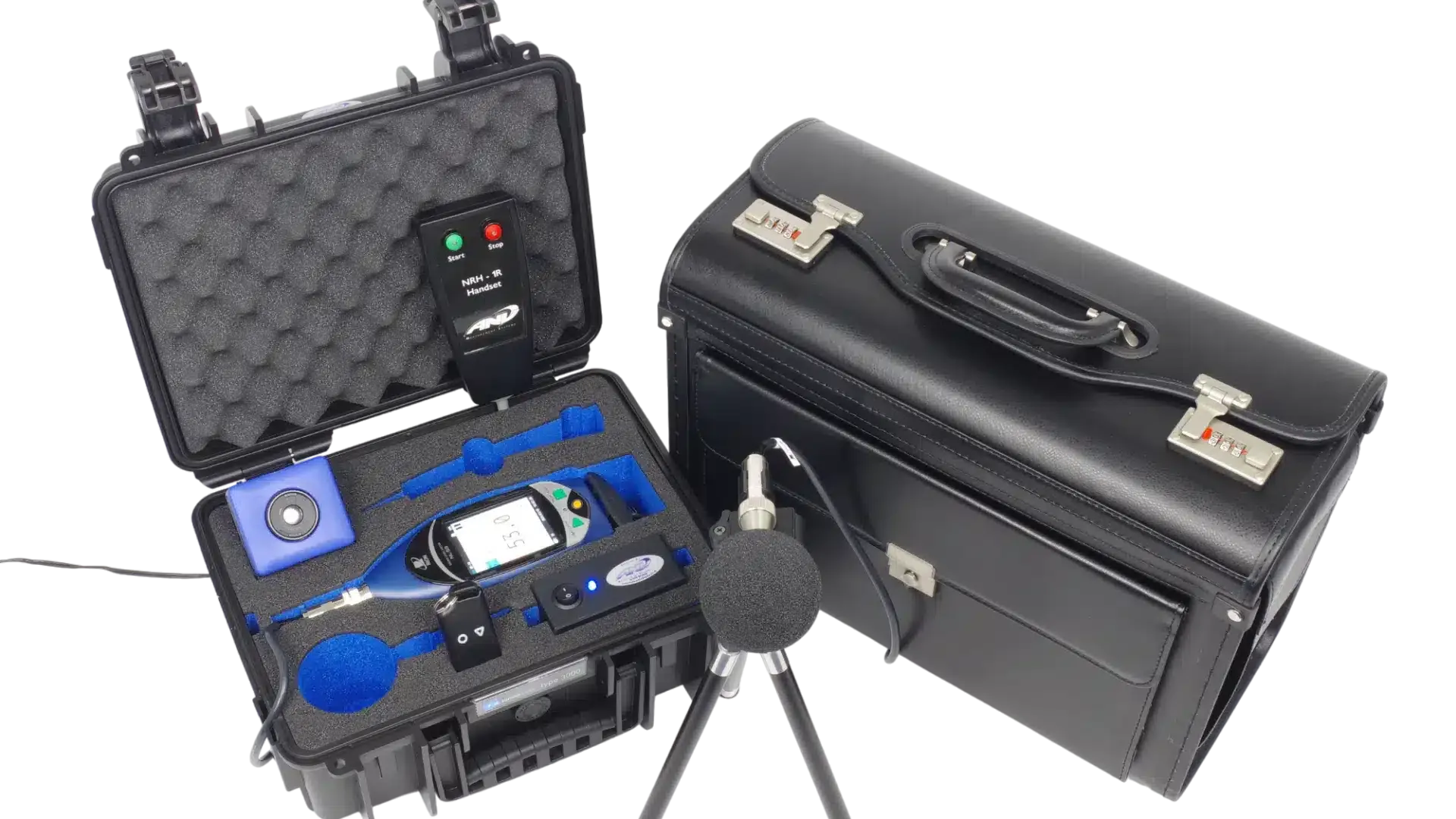
Our Noise Nuisance Recorder is deployed at the complainant's premises for a period of typically two weeks, capturing continuous acoustic data — even while the tenant is asleep or out. There's no relying on someone remembering to write things down at 2am.
The data is then analysed by our acoustic specialists and compiled into a formal report, comparable against UK standards and ready for submission to Environmental Health. Housing associations and property managers using Neighbour Noise Control arrive at the council with a case file, not a complaint.
To measure is to know and councils respond far better to measurement than they do to frustration. Don't let a noise complaint drag on for months. Equip yourself with the right evidence from day one. Visit neighbournoisecontrol.com to find out more.